Israeli forces attacked a target on Syrian-Lebanese border overnight, western diplomat and a security source told Reuters on Wednesday • Israel concerned Syrian chemical weapons could fall to Hezbollah • Israel Post: not enough gas masks for all Israelis. Shlomo Cesana, Lilach Shoval and Yoni Hersh
Israeli forces have attacked a target on the Syrian-Lebanese border overnight, a western diplomat and a security source told Reuters on Wednesday, at a time of growing concern in the Jewish state over the fate of Syrian chemical and conventional weapons.
The sources, who declined to be named because of the sensitivity of the issue, had no further information about what might have been hit or where precisely the attack happened.
Earlier, the Lebanese army reported a heavy presence of Israeli jets over its territory throughout the night.
There was definitely a hit in the border area,” the source said.
Vice premier Silvan Shalom said on Sunday that any sign that Syria’s grip on its chemical weapons was slipping, as President Bashar al-Assad fights rebels trying to overthrow him, could trigger Israeli intervention.
Israeli sources said on Tuesday that Syria’s advanced conventional weapons would represent as much of a threat to Israel as its chemical arms should they fall into the hands of Syrian rebel forces or Hezbollah guerrillas based in Lebanon.
In Jerusalem, the Israeli military declined any comment.
„We do not comment on reports of this kind,” an Israeli Defence Force spokeswoman said.
Israel Defense Forces intelligence chief Maj. Gen. Aviv Kochavi is traveling to Washington for consultations with American officials, defense sources told Al-Monitor.
Israeli officials declined to confirm the focus of his visit, but it comes amid signs of heightened Israeli concern about Syria, Al-Monitor reported.
Israel Air Force Commander Maj. Gen. Amir Eshel expressed his worries on Tuesday about the fate of the Syrian chemical arsenal. „There have been tectonic movements in Syria shifting it toward collapse.” Eshel said at the Israeli Air Force Center in Herziliya. „There is a massive weapons arsenal in Syria, some of which is very advanced and some that is unconventional. All that [weaponry] could find its way to our borders.”
„Governments are falling apart and that’s bringing a resurgence of terrorist activity on our borders the likes of which we haven’t seen for decades. We need to deal with a very wide scope of threats, as of today we are faced with both the conventional and unconventional, from the knife to the nuclear weapon, both near and far,” he said.
With Syria’s arsenal potentially falling to rebel hands, Eshel warned that Israel could face a much broader threat. „We could be faced with a much wider arsenal, advanced Western weaponry, with weapons from the east and locally produced arms.”
Israel fears that should such weapons fall into the hands of the Iranian-backed Hezbollah in neighboring Lebanon, this could dent the Jewish state’s superiority in any future confrontation.
During a 2006 war with Hezbollah, Israel had complete air dominance during bombing runs over southern Lebanon, though it was surprised when one of its ships off the Lebanese coast was hit by a Hezbollah cruise missile, killing four servicemen.
Eshel said that while „in the past we may have seen these threats as residing on our borders, today it is entirely different,” noting that terrorists today could use weapons „that can reach deep into Israel, be it in the form of ground to ground missiles, cruise missiles, unmanned drones and unconventional arms,” Eshel said.
In his speech, Eshel did not address mounting speculation that Israel could launch preventive strikes in Syria, though other military brass has said such an option was feasible.
But Eshel said the air force was involved in what he termed „a campaign between wars,” working with Israeli intelligence agencies in often covert missions. He did not elaborate other than to blame arch-adversary Iran for the lion’s share of weapons supplies to Israel’s regional enemies.
Sudan, a conduit for arms to the Palestinian Gaza Strip via Egypt, blamed Israel for an attack last October on a weapons factory in Khartoum. Israel also operates regularly in the skies over Lebanon.
„This campaign is 24/7, 365 days a year,” Eshel said. „We are taking action to reduce the immediate threats, to create better conditions in which we will be able to win the wars, when they happen.”
Meanwhile, Russia said it will take control of Syria’s chemical weapons stockpile if Israel promises not to attack Syria, „until it gets a green light from Moscow and Washington”, according to a report by Saudi news outlet Al-Watan.
If the reports are true, it would not be far fetched to connect it to Prime Minister Benjamin Netanyahu’s recent dispatch of his National Security Council Chief Yaakov Amidror to Moscow. The report claims its information is based on a „senior Israeli official.”
According to Al-Watan, as part of the deal, the U.S. won’t insist on Assad’s removal and NATO as well as the Arab League will refrain from attacking Syria. The report was not confirmed by Israeli sources.
Netanyahu reiterated his concern over Syria recently, adding that the situation does not only effect Israel, but is a matter of concern for the U.S. and the international community as a whole. Last week Russia deployed a sizable fleet off the coast of Syria, a move seen as unusual.
Israel and NATO countries say Syria has stocks of various chemical warfare agents at four sites. Syria is cagey about whether it has such arms but insists that, if it had, it would keep them secure and use them only to fend off foreign attack.
Syria is widely believed to have built up the arsenal to offset Israel’s reputed nuclear weapons, among other reasons. Some Israeli experts fear the logic of mutual deterrence would not hold for subnational Islamist militant groups involved in the rebellion in Syria.
The United States and other world powers have also warned of the danger posed by Syria’s chemical weapons.
Not enough gas masks
„The past few days have seen a rise in the demand for gas masks, following the reports of Syria’s chemical weapons slipping into the hands of terrorist groups,” Israel Postal Company Deputy Operations Manager Haim Mizaki told Army Radio on Wednesday. According to Mizaki, „every security related debate adds to the demand for gas masks.”
Mizaki said currently there are not enough gas masks to cover the entire population, and that so far only 4,700,000 have been distributed. „We are working in accordance with the Homefront Defense Ministry … by their protocols, we are only allowed to hand out 50,000 kits each month, 600,000 a year,” he said.
The are two ways Israelis can get gas masks, one is at designated distribution centers spread throughout the country. The other is to call the telephone hotline 171 and arrange a delivery to the person’s home, at the cost of delivery alone. According to Mizaki, the hotline verifies that each person ordering is eligible to receive a mask. „We check in our listings whether the person had returned their previous gas mask, or if they lost it and need to pay 70 shekels [$19] to be able to receive another.”
Those who are tasked with delivering the masks go through a certification program, and upon arrival at the citizen’s home, they perform mask fittings and replace faulty kits as required. |


 |
„ישראל תקפה שיירת נשק בשטח סוריה”
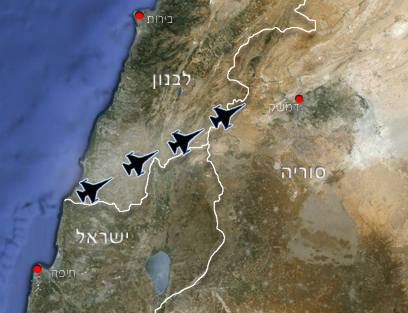
האם ישראל פעלה בסוריה? צבא לבנון דיווח כי חיל האוויר הישראלי ביצע ביממה האחרונה שלוש גיחות מעל שמי המדינה. בעקבות הדיווח אמרו דיפלומט מערבי וגורם ביטחוני: ישראל תקפה מטרה בגבול לבנון-סוריה. דיווחים אמריקניים וצרפתיים נוספים פיזרו את הערפל: שיירת נשק הותקפה בסוריה חיל האוויר הישראלי תקף במהלך הלילה (יום ד’) בסוריה שיירת נשק שעשתה את דרכה לכיוון גבול סוריה-לבנון. כך דיווחה בצהריים סוכנות הידיעות הצרפתית AFP מפי גורמי ביטחון. המקורות שלא הזדהו לא ציינו את המיקום המדויק של התקיפה.
צפו בשידור חי מאולפן ynet:
גם אתר האינטרנט האמריקני „אל מוניטור” דיווח בצהריים כי חיל האוויר הישראלי תקף במהלך הלילה שיירת נשק בגבול לבנון-סוריה. האתר האמריקני ציטט גורם ישראלי שאמר כי „יש מי שאומר שצה”ל לא יתנגד להזדמנות ל’מערכה חוזרת’ מול חיזבאללה. כמו כן, קיים הרצון לנסות ולהוציא אותו מהמשחק, כמו שנעשה לאחרונה מול חמאס”.
במקביל, גם בסוכנות הידיעות „רויטרס” דווח מפי דיפלומט מערבי ומקור ביטחוני כי חיל האוויר תקף במהלך הלילה מטרה בגבול סוריה-לבנון. המקורות שסירבו להזדהות בשל רגישות הנושא לא מסרו מידע נוסף בנוגע לנסיבות התקיפה, מה המטרה שהותקפה ואם היא נפגעה. סוכנות הידיעות הלבנונית הרשמית דיווחה בצהריים כי הדיווחים שלפיהם ישראל הפציצה בגבול לבנון-ישראל אינם נכונים.
מוקדם יותר דיווחה סוכנות הידיעות הלבנונית דיווחה כי אתמול בשעה 16:30 אחר הצהריים חדרו ארבעה מטוסי קרב ישראליים למרחב האווירי של לבנון, וטסו מעל העיירה רמיש. לפי הדיווח בסוכנות הלבנונית, הם טסו מעל אזורים שונים, ועזבו את שטח לבנון ב-21:05. בנוסף, בסוכנות הידיעות „רויטרס” דווח כי מטוסי חיל האוויר אף ביצעו הבוקר בשעה 7:55 גיחה שלישית לתחום לבנון. עוד נאמר בדיווח ב”רויטרס” כי מדובר בפעילות מוגברת באופן יחסי. בצה”ל סירבו להתייחס לדיווחים.
לפי הדיווח מביירות שמבוסס על צבא לבנון, בשעה 21:05 חדרו למרחב האווירי של לבנון ארבעה מטוסי קרב נוספים, וגם הם טסו בשמי לבנון. הלבנונים טוענים כי המטוסים עזבו את שטח לבנון בשעה 02:00 בלילה. אתר החדשות הלבנוני א-נשרה דיווח הבוקר כי מטוסי קרב ישראליים חגו בגובה נמוך מעל העיירה בינת ג’בייל בדרום לבנון.
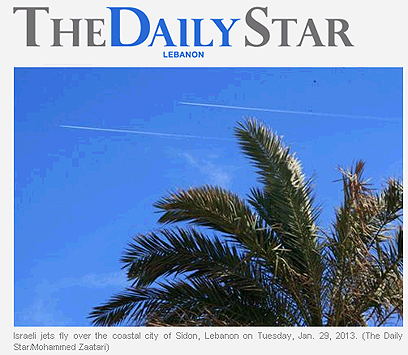 תמונה מה”דיילי סטאר” הלבנוני: „מטוסי קרב ישראליים בשמי לבנון, אתמול”
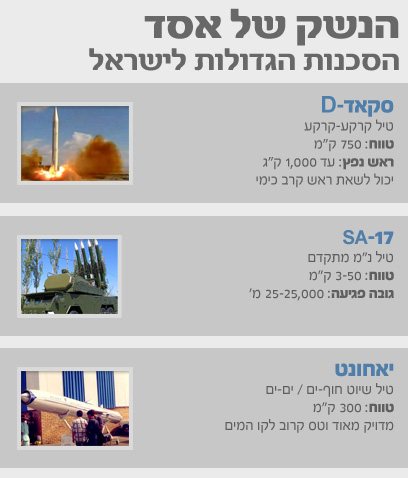
אתמול פורסם באתר האמריקני „וורלד טריביון” כי בימים האחרונים ניהל המודיעין הישראלי מעקב אחר משלוחים מאזור לטקיה שבסוריה ללבנון. לפי החשד, המשלוחים נועדו למעוזי חיזבאללה בבקעת הלבנון, וכללו „נשק אסטרטגי”. הסורים, כך דווח, העבירו את אותם משלוחים במהלך הלילה במשאיות אזרחיות ולא בכלי רכב צבאיים.
כיפת ברזל בצפוןבימים האחרונים התרבו הדיווחים על המתיחות בצפון. על-רקע הדיווחים נפרסו בשבוע החולף שתי סוללות של מערכת כיפת ברזל בשני מוקדים בצפון, אחת באזור הקריות והשנייה בגליל העליון.
בצה”ל אומרים שמדובר בחלק מתהליך הקליטה המבצעית של המערכת להגנה מפני רקטות.
הסוללות נפרסו בעבר באזור חיפה ובמקומות נוספים, והן בעלות יכולות מבצעיות מלאות. לפני כשבוע ערכה מערכת הביטחון ניסוי מוצלח בסוללות כיפת ברזל באזור המרכז, שכלל שדרוג משמעותי ביכולות המערכת, לטווחי רקטות ארוכות יותר תוך מהירות תגובה רבה יותר ויכולת להתמודד עם כמה מטחים במקביל.
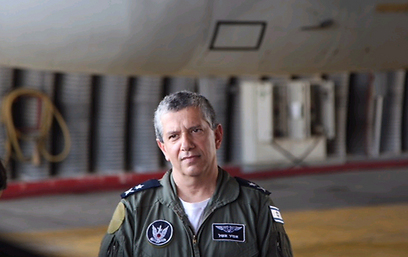 מפקד חיל האוויר, אלוף אמיר אשל (צילום: מוטי קמחי )
אתמול התייחס מפקד חיל האוויר, אלוף אמיר אשל, למאגרי הנשק שבהם מחזיק הנשיא הסורי בשאר אסד. בכנס החלל הבינלאומי השנתי שנערך בהרצליה אמר אלוף אשל כי „בסוריה מתרחשים תהליכים טקטוניים של התפרקות. יש בסוריה ארסנל נשק עצום שחלקו ‘סטייט אוף דה ארט’ וחלקו בלתי קונבנציונלי. כל זה עלול להיות על גבולותינו ואפילו לא בחצר האחורית שלנו”.
בתחילת השבוע התייחס ראש הממשלהבנימין נתניהו לאיומים האזוריים על ישראל ואמר כי „צריך להסתכל סביבנו. מה שקורה באיראן וגרורותיה ומה שקורה באזורים אחרים, נשק קטלני שנמצא בסוריה. המזרח התיכון אינו מחכה לתוצאות הבחירות והוא גם לא מפסיק בזמן הרכבת הממשלה”. |
||||||||||||